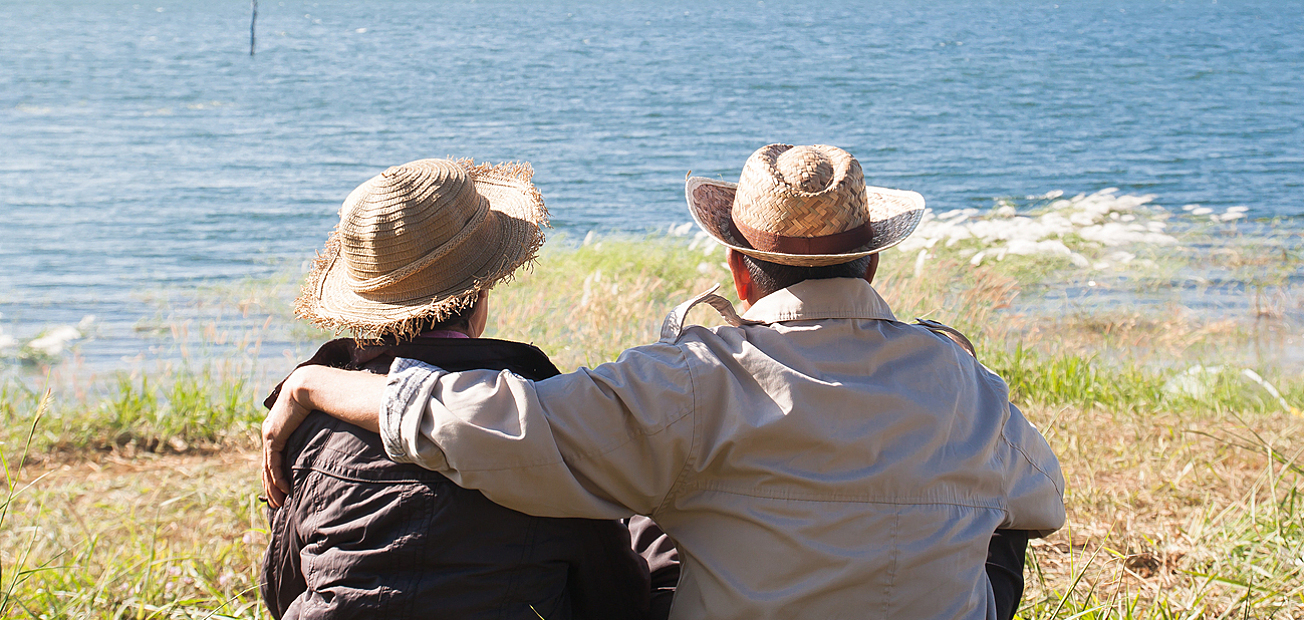
Travel allows people to discover different cultures and natural environments, which create mental and spiritual renewal. The pursuit of distant travel causes people to neglect their established routines which help protect their heart health.
People with chronic cardiovascular health issues must control their irregular eating habits, long travel periods of sitting and excessive food consumption but traveling can help people reduce stress and become more active while boosting their overall health.
So how do we ensure we get the best of it all?
Long periods of sitting during air travel, train and car trips create blood flow problems that lead to higher chances of developing deep vein thrombosis in the legs. People who have existing heart problems or take blood thinners become more vulnerable to risks when they travel extended distances.
The condition worsens because of dehydration. The cardiovascular system faces strain because airplane cabin environments and unfamiliar climates and physical activity without proper fluid and electrolyte intake cause blood volume reduction which makes the heart work more intensely. Travelers need to learn basic hydration methods, which will help them create protective strategies.
The human body experiences irregular sleep patterns because of time zone changes and modifications to sleeping spaces and daily activities which subsequently affect cardiovascular health through multiple pathways.
Nutrition: The Traveler's Greatest Challenge
Restaurant meals together with street food provide cultural experiences but they usually have much higher sodium content than food prepared at home. A single restaurant meal exceeds the recommended daily sodium intake which creates blood pressure problems.
The vacation mindset leads people to accept large portions, multiple courses and frequent treats that would never be part of their regular eating habits at home. People with cardiovascular conditions should make heart-protective food choices when they want to try new foods but occasional food exploration does not create significant risks for healthy people.
The way people eat their food according to their culture makes it harder to manage their nutrition. The combination of eating late dinners and eating snacks often and consuming new foods creates challenges for people to follow a regular eating schedule which helps control blood sugar and cholesterol levels.
Strategic nutrition for heart-healthy travel
The process of planning ahead enables people to turn their dining experience into a chance to discover new healthy food options instead of facing a heart-pounding ordeal.
People can avoid selecting unhealthy foods when they pack nutritious snacks because hunger does not force them to make poor dietary choices. Nuts together with dried fruits, whole grain crackers and protein bars serve as simple snack choices which help control blood sugar levels while minimizing the desire for unhealthy convenience foods.
Practicing portion awareness allows travellers to experience local cuisine without overwhelming the cardiovascular system. The practice of sharing dishes and ordering appetizer portions and eating half portions now and saving the rest for later allows people to experience cultural traditions while controlling their food intake.
Hydration: The foundation of travel wellness
Drinking water throughout travel days helps protect cardiovascular health and regulates body temperature and digestion when moving between different environments. The combination of using a refillable water bottle and programmed hydration alerts helps people stay hydrated when they have many activities to attend to during their sightseeing trips.
Limiting alcohol and caffeine, both of which can worsen dehydration, becomes particularly important during travel. The enjoyment of local beverages enhances cultural immersion yet drinking water between alcoholic beverages and selecting herbal tea instead of multiple coffee cups helps maintain heart health.
Physical activity: movement within adventure
Tourism promotes physical movement because it involves walking during tours and museum visits and discovering unfamiliar surroundings. The increased physical activity leads to better blood circulation, reduced inflammation and healthy blood pressure maintenance.
Active tourism becomes safer through controlled exposure and scheduled rest periods and the ability to identify warning signs which include chest pain and heavy breathing.
The following basic methods help people achieve better movement outcomes while reducing heart strain. Stair use, walking short distances and stretching during daily walks help people achieve better heart health without a gym membership.
Rest and recovery during travel
Sleep of high quality allows the heart to heal from daily tasks while it regulates blood pressure and metabolic hormone systems. People who maintain regular sleep patterns when traveling between time zones, establish restful sleeping areas in new locations and take breaks between active sightseeing days will experience better heart health.
Slow travel teaches people to prevent overloading their schedules because too many activities during brief trips create stress that negates the purpose of relaxation during vacations. The practice of including rest days in travel plans, selecting relaxing accommodations and getting enough sleep instead of doing more activities shows a wise approach to sustainable tourism.
Managing medications and chronic conditions
Travelers who plan ahead by bringing their medication, learning about foreign prescription procedures and storing their medication in carry-on bags will prevent treatment interruptions that could trigger cardiovascular events.
Medical identification along with documentation of health conditions, current medications and research on nearby healthcare facilities, provides fast access to suitable medical care when cardiovascular emergencies occur while traveling.
Technology supporting travel
People now have access to digital health tools which enable them to handle their travel health requirements in ways that were previously impossible. The applications on smartphones enable users to monitor their water usage while providing healthy food recommendations and automatic medication reminders to help them stay healthy.
Wearable devices that monitor heart rate, activity levels, and sleep patterns provide real-time feedback about cardiovascular stress during travel, alerting users to prolonged inactivity or elevated heart rates that suggest overexertion.
A new paradigm for tourism
World Tourism Day promotes wellness tourism principles which enable people to experience health protection during their travels instead of treating it as a travel barrier.
Best vacations serve to improve health instead of causing any deterioration. Tourists now choose to experience cultural activities that promote their physical, mental and emotional health.
Travelers who pay attention to their nutrition and hydration, physical activity and rest will find that every trip supports their cardiovascular health while discovering new places.
Travel experiences form memories which become increasingly precious as time passes while inspiring future travel adventures.

Links which take you out of Abbott worldwide websites are not under the control of Abbott, and Abbott is not responsible for the contents of any such site or any further links from such site. Abbott is providing these links to you only as a convenience, and the inclusion of any link does not imply endorsement of the linked site by Abbott.
The website that you have requested also may not be optimized for your screen size.