When starting GLP-1 therapy, people often expect the main adjustments to center on medication schedules and doctor visits. However, everyday habits quickly take on a key role. Suddenly, questions that once seemed routine begin to matter a little more. Is my meal giving me enough protein? Am I drinking enough water throughout the day? Am I staying active enough to maintain my strength and energy?
As people settle into a new routine, food, hydration and movement often take on a greater role because each helps support the body in a different way throughout the journey. Knowing how these habits support the body is the first step to navigating the journey with confidence.
What is the importance of nutrition on a GLP-1 journey?
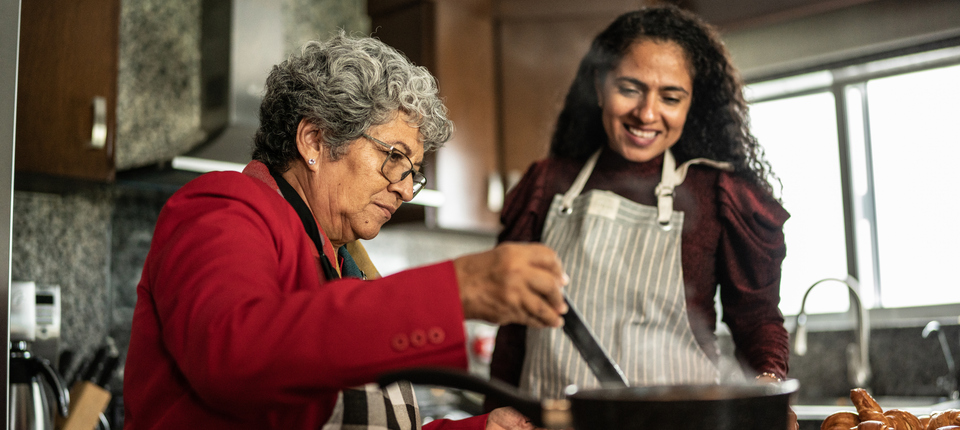
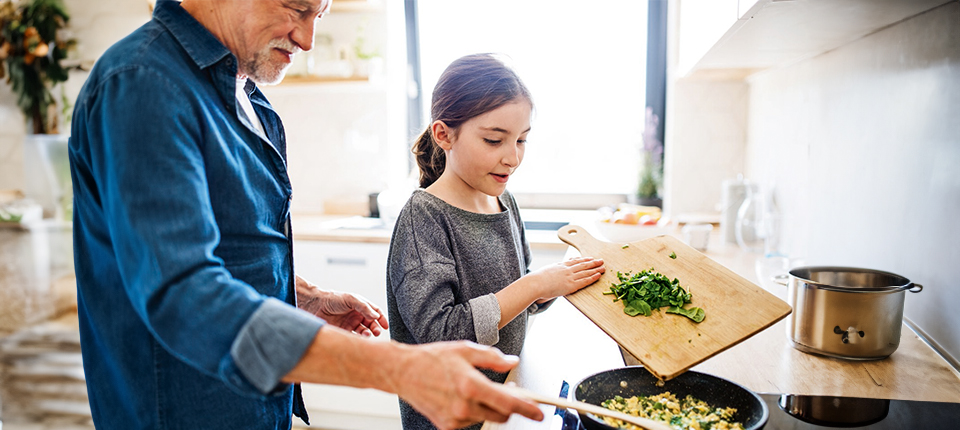
As appetite shifts during GLP-1 therapy, the focus moves from simply consuming food to ensuring the body receives essential nutrients. This highlights the importance of nutrition, particularly regarding protein and fiber intake. That's one reason protein receives so much attention. Maintaining muscle health is very important. Muscle supports strength and metabolic health and is an important part of the overall well-being during the GLP-1 journey. Protein-rich foods such as fish, beans, chickpeas, tofu, milk, buttermilk and sprouts can help support muscle maintenance while providing lasting nourishment.
Fiber has an equally valuable role. Found in foods such as vegetables, oats, whole grains and millets, it supports digestion and healthy glycemic control. Together, protein and fiber help ensure every meal contributes to muscle strength and overall health.
Why does hydration require extra attention during GLP-1 treatment?
GLP-1 therapies can influence thirst signals, making it easier for people to drink less than they realize2. That can be significant because hydration supports many of the body's everyday functions, from digestion to energy levels. Hydration can also help support the body's adjustment to treatment. Drinking adequate fluids may help support digestive comfort and can play a role in managing common adjustment-phase experiences such as constipation, headaches and fatigue. A general recommendation is around two to three liters of fluids a day, alongside water-rich foods such as cucumbers, watermelon and soups1. What makes hydration unique is that it doesn't require a major lifestyle overhaul. Often, it's simply a matter of building awareness and turning a glass of water into a consistent daily habit.
What are the benefits of exercise and movement on a GLP-1 journey?
Understanding the importance of physical activity becomes clearer over time, as exercise works directly alongside proper nutrition. While dietary protein delivers the essential nutrients for muscle maintenance, physical activity complements that role. One of the key benefits of exercise also lies in diabetes management. When muscles stay active, they continue to use glucose as fuel, making movement an important part of overall diabetes management. It does not require intense training sessions outside the rhythm of your daily life. A balanced combination of aerobic exercises such as walking, cycling, or swimming can promote long-term cardiovascular health, while supervised resistance training can help preserve muscle mass and functional ability.
What Happens Between Doses Matters
Now you know why nutrition, hydration and physical activity appear so often in conversations around GLP-1 therapy. Each supports the body differently, yet all three are connected by a common goal: helping people navigate the journey in a way that is sustainable. A GLP-1 journey may begin with a prescription, but much of it unfolds through everyday choices. The protein added to a meal, the water consumed throughout the day, the walk that becomes part of a weekly routine.
Disclaimer: Issued in public interest by Abbott for general awareness only. Nothing contained in this article constitutes or implies medical advice, endorsement, sponsorship, purchase or recommendation of any kind. Please consult your doctor for more information or medical advice
References:
1Mehrtash F, Dushay J, Manson JE. I am taking a GLP-1 weight-loss medication—what should i know?. JAMA Internal Medicine. 2025
2McKay NJ, Kanoski SE, Hayes MR, Daniels D. Glucagon-like peptide-1 receptor agonists suppress water intake independent of effects on food intake. Am J Physiol Regul Integr Comp Physiol. 2011

Links which take you out of Abbott worldwide websites are not under the control of Abbott, and Abbott is not responsible for the contents of any such site or any further links from such site. Abbott is providing these links to you only as a convenience, and the inclusion of any link does not imply endorsement of the linked site by Abbott.
The website that you have requested also may not be optimized for your screen size.